The Role of Augmented Virtual Reality (AVR) in Librarianship: Transforming Classification, Indexing, and Cataloguing Procedures
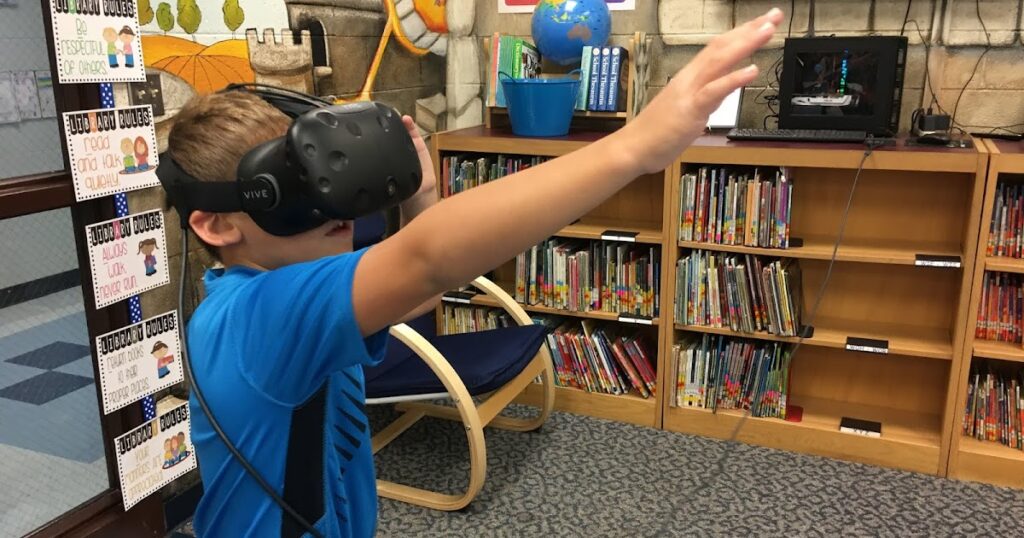
IntroductionBy fusing virtual reality (VR) and augmented reality (AR), augmented virtual reality (AVR) produces engaging and interactive experiences that go beyond conventional limits. AVR has become a potent tool in the world of librarianship to improve intricate procedures like cataloguing, indexing, and classification. AVR’s capacity to creatively visualise, interact with, and manage library resources is revolutionising these once time-consuming tasks. AVR Applications in Libraries How AVR Improves Categorisation For instance, librarians can explore virtual “bookshelves” that change dynamically in response to classification updates by donning AVR headsets. The Benefits of AVR for Cataloguing AVR’s benefits for library operations Enhanced Accuracy: By offering visual inspection and real-time suggestions, AVR lowers human errors.Better Training: By practicing classification, indexing, and cataloguing in virtual simulations, novice librarians can develop their skills without running the risk of making mistakes in the real world.Efficiency Gains: By automating repetitive procedures and offering interactive tools for intricate processes, AVR optimises workflows.User Experience: By using simulated environments to better understand user behaviour, librarians can improve cataloguing and indexing for greater accessibility.Adaptability: AVR systems can change to meet evolving user requirements and classification standards, keeping libraries current. AVR Examples in ActionAVR is used by libraries to build virtual classification labs where resources are arranged and displayed in real time.Immersion Indexing Environments: By mimicking actual search situations, AVR technologies assist librarians in creating user-friendly and intuitive indexes.Dynamic Cataloguing Workflows: AR glasses with scanning features enable fresh acquisitions to be catalogued instantly in the stacks. In conclusionA major advancement in handling the intricacy of classification, indexing, and cataloguing procedures has been made with the incorporation of Augmented Virtual Reality into librarianship. In addition to improving accuracy and efficiency, AVR’s immersive and interactive tools guarantee that libraries stay at the forefront of technological advancement. AVR provides a revolutionary method for organising, storing, and sharing knowledge as libraries continue to change in the digital era. It is a vital tool for contemporary librarianship because of its capacity to completely transform established workflows.